Mortal Shell II story and lore: the Harbinger, the Undermether, and the stolen Ova
What Mortal Shell II's official Steam text actually says about the Harbinger, the Undermether's stolen Ova, disciples, false gods, and possessing Shells.
By Mortal Shell 2 Wiki editorial team · Last updated
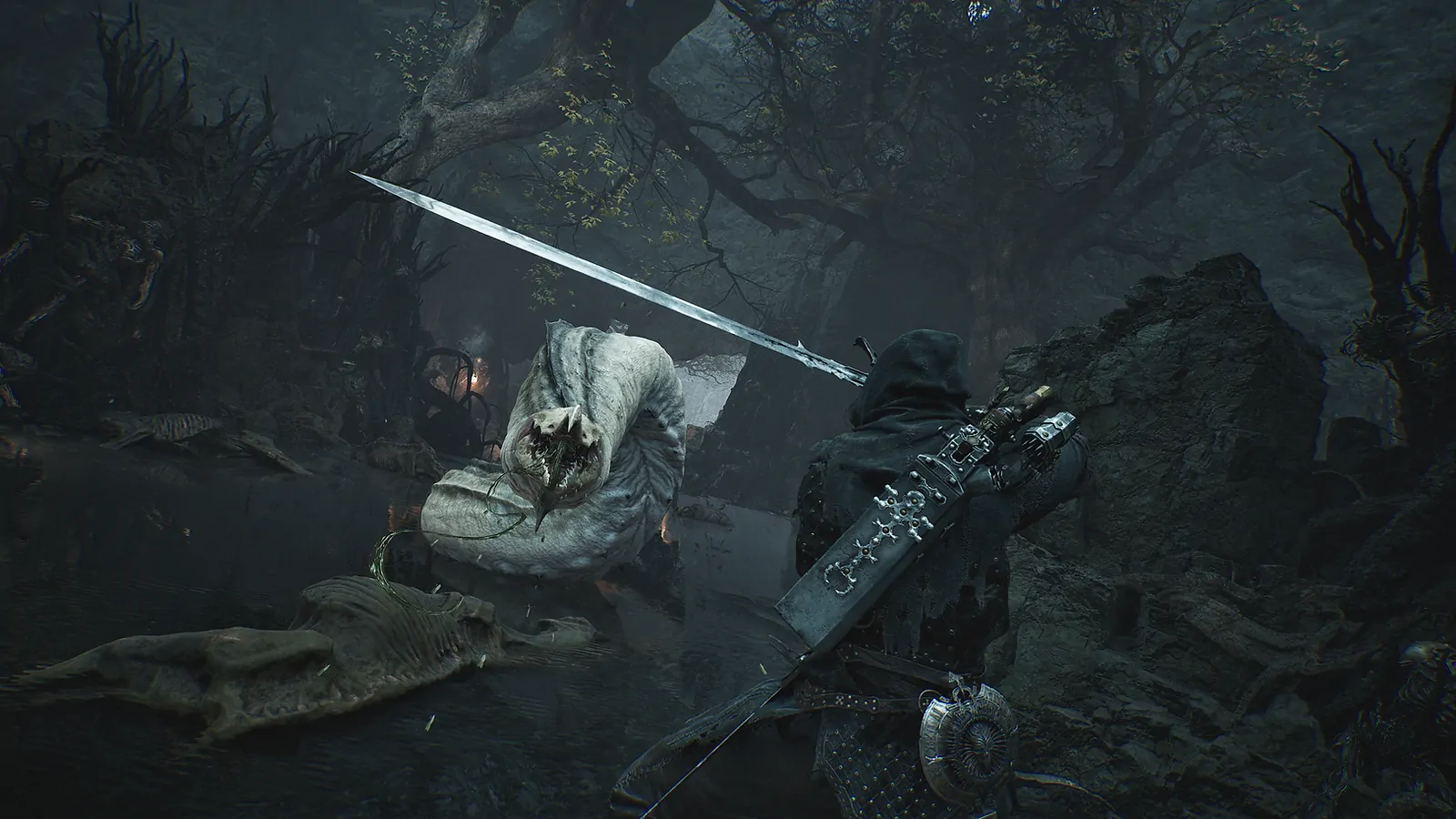
Short answer
You play the Harbinger — described in Cold Symmetry’s own store text as “a being prophesied to reclaim the blessed Undermether’s stolen Ova from the daunting creatures that ruthlessly guard her unborn.”
This is a spoiler-light introduction to the published premise, not a complete account of the released game’s ending. It explains the terms a new player encounters and how Shell memories relate to exploration.
Why people search this page
Mortal Shell’s first game was famously tight-lipped, and the sequel’s marketing is written in the same register — evocative nouns, almost no exposition. Searchers want to know whether there is an actual plot, whether it follows on from Fullgrim, and what words like Ova, Mether and Harbinger mean. This page collects the official phrasing rather than inventing a wiki-style summary around it.
The Harbinger and the stolen Ova
| Term | Official wording | What it does and doesn’t tell you |
|---|---|---|
| The Harbinger | ”a being prophesied to reclaim the blessed Undermether’s stolen Ova” | This is you. A prophecy exists and you are its subject. Nothing states your origin. |
| The Undermether | ”the blessed Undermether” | A revered figure whose Ova were taken. The store text calls the unborn hers. |
| Ova | ”stolen Ova… the creatures that ruthlessly guard her unborn” | Unhatched offspring, held by enemies. Recovering them is the stated objective. |
| Mether | Open Beta post: “recover the lost Ova for your Mether” | Used where the store page says Undermether. Read as the same being, shortened. |
| Disciples | Open Beta post: “discover your disciples” | You gain followers. Their function is not explained. |
| False gods | Short description: “dethrone false gods” | The antagonists are being framed as deities, not just monsters. |
Also worth noting the tagline the game leads with: “Their Flesh Is Your Weapon.” That is a description of the Shell mechanic, not a metaphor.
Shells are the story delivery system
The lore is not told through cutscenes so much as through the bodies you wear. Official text on this is unusually specific:
- Dormant forms of forgotten warriors are scattered throughout the shattered world.
- Once found, each Shell can be awakened and possessed, unlocking its innate strengths and unique abilities.
- You unravel their secrets through the discovery of lost memories.
So each Shell is a character with a past you excavate by playing them. That is why our per-Shell pages — Tiel, the Acolyte, Eredrim, the Venerable and Proxima, the Broodseeker — are the practical entry point into the narrative.
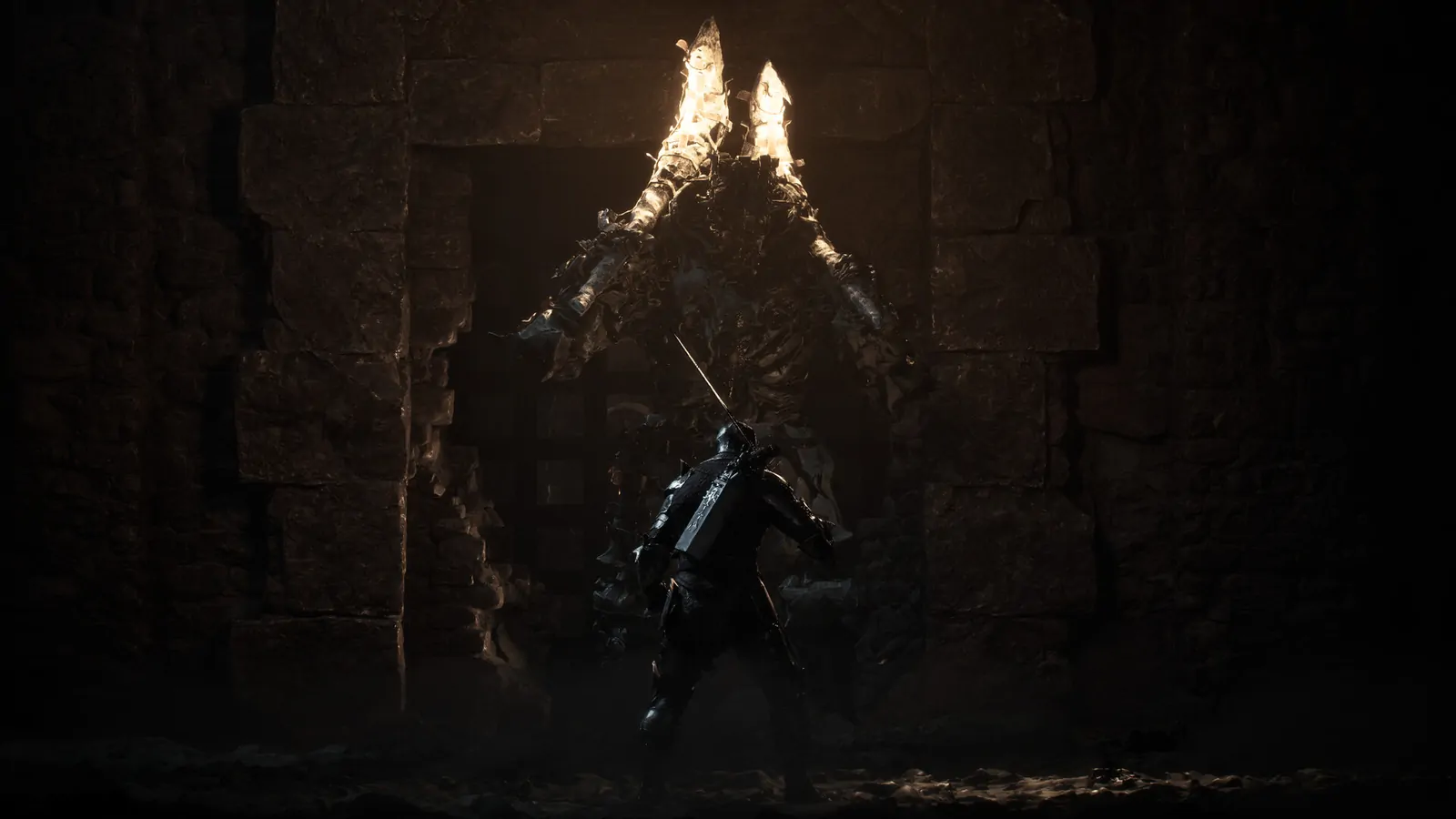
Where the story takes place
The official description of the world is a list of places rather than a map, and the imagery is consistent — sacred things left to rot:
- Derelict temples of ancient deities
- Forbidden forests and icy graves
- Citadels carved from bone
- Optional dungeons and challenges reached through connected routes
Those regions connect over “winding footpaths guarded by the desperate and fanatical,” and the reward for wandering is explicitly listed as new story elements, alongside Shells, weapons, upgrades and curiosities. In other words, exploration is the narrative pacing. See the world map page for the region layout.
Do you need to play the first game?
No. Cold Symmetry call Mortal Shell II a standalone sequel in the first line of the store description. Returning players may recognise names and visual motifs, but recognition is not a prerequisite for following the Harbinger’s stated task. The sequel introduces its own possession and memory goals. Its stamina-unrestricted combat is also a reason to follow the new tutorial rather than treating the first game as required mechanical training.
The Open Beta’s opening beat
The Open Beta covered the Prologue plus an early open-world section, and Cold Symmetry framed it in story terms: “Your journey as the Harbinger begins now. Claim your first shells, discover your disciples, and recover the lost Ova for your Mether.” It included dungeons, mini-bosses and “one truly formidable foe.”
That confirms the Ova hunt is the main quest from the first hour, not a late-game reveal. Details on the build itself: Open Beta guide.
Confirmed vs not confirmed
- Confirmed: you are the Harbinger; a prophecy names you; the Undermether’s Ova were stolen; creatures guard her unborn; you gain disciples; false gods are to be dethroned; Shells are possessed and hold recoverable lost memories; the game is a standalone sequel.
- Not confirmed: who stole the Ova and why; what the Harbinger is; whether the Undermether appears as a character; how many Ova there are; whether the first game’s characters or regions are referenced; and whether there are multiple endings. This spoiler-light introduction does not resolve those ending and character questions.
The game released on August 20, 2026. A prerelease interpretation can provide historical context but cannot establish an ending shown only in the full game. For the practical first session, use the beginner guide.
Music and the game’s tone
The score and the images of ruined sacred places support the game’s hostile religious setting, but a musical cue is not a literal explanation of a character’s identity. Listen for how a change of location or encounter changes the presentation, then compare that with the dialogue and item description actually available there. Do not use a trailer montage as evidence that two scenes occur consecutively in the retail story.
Read a Shell memory in context
When a memory becomes available, note whose Shell you are using and distinguish the event shown from your interpretation of it. The achievement Haunting Times asks you to watch the first Shell Memory; Seeking the Past asks for all Shell Memories. Neither condition, by itself, supplies an official explanation of every scene. The achievement reference explains those collection goals.
If a memory suggests a relationship with another character, look for a second piece of in-game evidence before treating it as settled. A repeated name, an object in a room or a line of dialogue can support an interpretation; a resemblance to the 2020 game alone is weaker evidence. This is particularly useful with Shell possession, where the body’s past and the Harbinger’s present objective are connected without being the same viewpoint.
Follow the objective without requiring an ending spoiler
For a new player, the immediate story structure is sufficient: recover the stolen Ova, explore the connected world and discover the memories attached to the warriors you possess. If an optional area becomes confusing, identify whether you are pursuing the main objective, a Shell memory or a separate character request. Those goals can overlap geographically without being the same quest. Keeping that distinction lets you return to a side thread later instead of assuming that every locked door is required for the next main-story step.