Mortal Shell II Summons: When a Helper Is Worth It
Are Mortal Shell II summons worth a Glimpse? How Shell spirit summons, Faithful Doubles, Grisha and Cursed Child summons work after the October patches.
By Mortal Shell 2 Wiki editorial team · Last updated
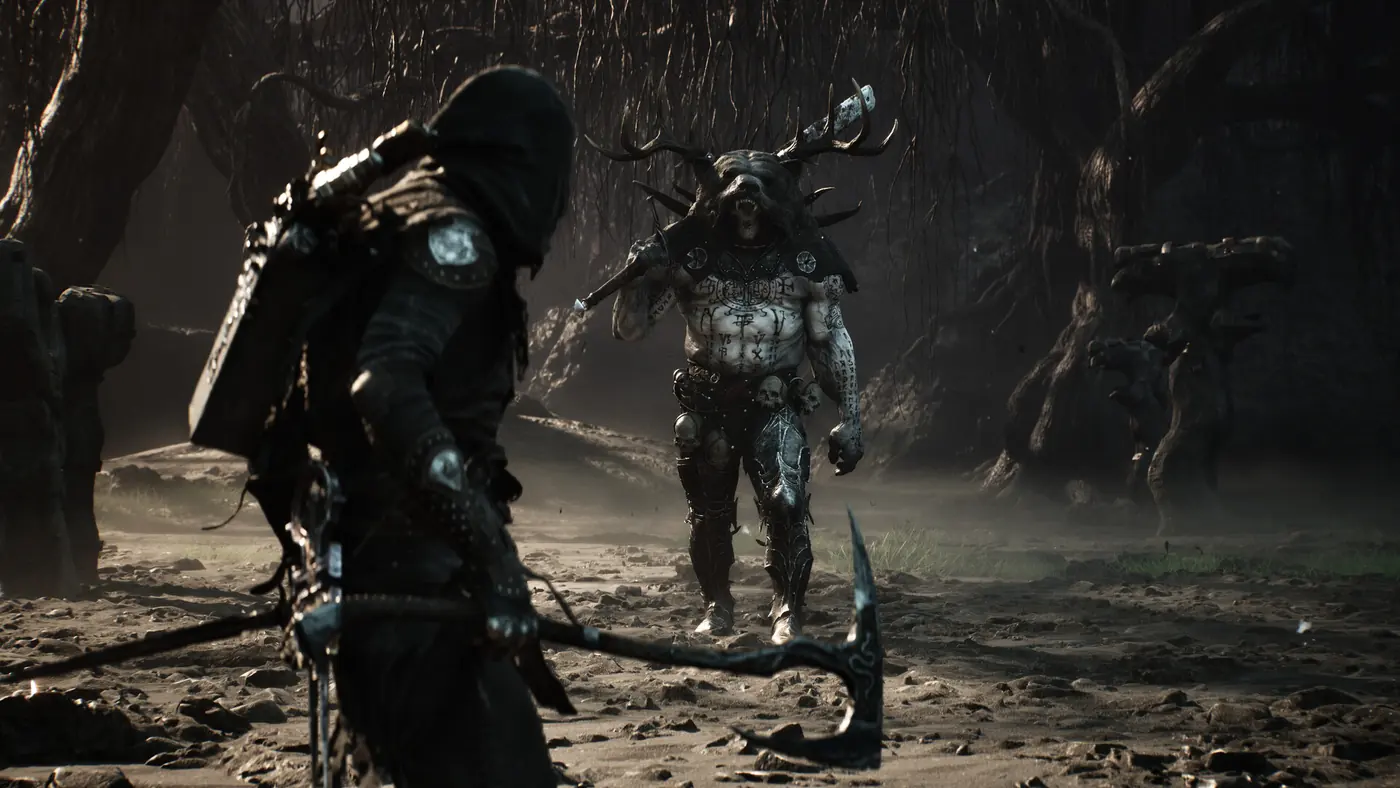
Summons are one of the most argued-about systems in Mortal Shell II’s Steam discussions right now. A thread titled “Summons are absolutely useless. Do not use them” appeared on October 31, an older thread about summoning Lazlo before Sir Isaac the Scholar-Prince picked up new replies on October 30, and the October 30 Rotten Autumn Hotfix 1 fixed Shell summons being invisible the first time they are used. The frustration is understandable, but it usually comes from treating every summon as the same tool. Mortal Shell II has several different kinds of helper, and they reward very different expectations. This guide separates them, explains what the official patch notes have changed, and gives a simple test for deciding whether a summon deserves a resource in your current fight.
Four kinds of summon, four different jobs
The word “summon” covers at least four separate things in the current game, and the patch notes name each of them.
- Shell spirit summons. Before certain boss fights you can spend a Glimpse to call a Shell spirit in to help. Players in the Steam threads describe this with Lazlo before the Scholar-Prince. This is the summon most people mean when they complain.
- Faithful Doubles. These belong to Sester Genessa, the secret Shell. Her active ability creates Doubles that perform a weapon attack and vanish, with their exact current behaviour dependent on purchased upgrades.
- Grisha summons. The Grisha Remnant summon appears throughout the patch notes, alongside the Summon Stone.
- Cursed Child summons. The Cursed Child is a sidearm that calls out creatures instead of firing a projectile. The September 5 update let it summon more enemy types when you use the Summoning Stone.
The notes also mention Astral Clones, which received an October 13 fix so they attack when summoned close to an edge, and Tiel’s Shadow Clones, which received new visual effects in the same hotfix.
The key difference is cost and control. A Shell spirit costs a Glimpse and acts on its own. Doubles, Grishas and Cursed Child creatures come from your own build, so you decide when they appear and they are paid for with the resources your equipment already uses. When a player says summons are useless, check which of these they used before you skip the whole system.
What the Shell spirit summon really costs
The main complaint about Shell spirits is the price. In the “Summons” thread, several players objected to spending Glimpses, which also go into Shell upgrades and Shell memories. That concern made more sense at launch than it does now. The Week 1 Update on August 29 made Glimpses and Tarcores no longer finite resources, so every Shell and Tarstone can be upgraded in a single playthrough. The same update added a Glimpse Stone that wears down as you defeat enemies and then breaks into Glimpses, added Glimpses to the Gloom Siphon rewards, and expanded Merrick’s stock with Glimpse Stones once you have gathered enough Ova. One change cuts the other way: mini-beacons no longer award a Glimpse.
Players in the same thread also report two details worth knowing before you spend. First, the cost is described as one-time for a given fight: once you have paid, you can call the same helper again if you die there, and one player says this carries into New Game Plus. Second, one player reports that summons leave on the second phase of most fights. Neither point appears in the official patch notes, so treat them as community reports and watch what happens in your own fight. If the summon leaves when the boss changes phase, its job is to help you through the first phase cleanly, not to finish the boss for you.
If a summon left you short of Glimpses for a Shell you care about, remember that Mether’s Severance resets a Shell’s bond and returns all the Glimpses you spent on it. That does not refund a summon, but it means an early Glimpse spent on bonding is never locked in.
Why Lazlo feels like a bad helper
Most of the anger in the current threads is aimed at a Lazlo summon. Players describe him as slow, say he does little damage to the boss, and say he does not reliably draw the boss’s attention. Several posts report the same experience, so it is fair to plan as if a Shell spirit is not a damage dealer. Do not expect it to tank a boss the way a co-op partner would in another game.
The practical response is to lower the summon’s job description. A Shell spirit that walks into the arena slowly still changes the opening of the fight: the boss has another body on the field, and in the first few seconds you are not the only thing in range. Use that time to read the boss’s first attack string, land a safe hit from the side, or heal while the boss is turning. If it never takes the boss’s attention in your fight, you have learned that for the cost of one summon rather than through repeated deaths.
Two official fixes are relevant here. The October 30 hotfix fixed Shell summons being invisible the first time they are used, so an early test before that date may have looked even worse than the summon really is. The October 13 hotfix added a new Shell summon handshake animation, and the September 5 update corrected the alignment of those animations. If you dismissed summons in September, the version you tested is not the version on Steam today.
Faithful Doubles are a build, not a favour
Faithful Doubles behave very differently, because they copy your own weapon attack. For Sester Genessa, inspect the purchased Double upgrades and test the weapon interaction in the current build. A particular boss stun or a five-Double count is not established by the patch history reproduced here. Keep your weapon and upgrades constant while comparing the helper.
The official notes show Doubles being tuned rather than abandoned. The Week 1 Update improved how Doubles choose targets, so they switch to a new one when their first target dies instead of standing idle. The September 5 update changed Genessa’s Augmentation to stop infinite resolve gain and infinite Doubles, so a build that relied on endless Doubles needs a new resource plan. The September 24 hotfix fixed an issue with Faithful Doubles when using the Lost Clotstone, and the October 13 hotfix fixed Lost Clotstone Genessa clones getting stuck and staying forever when using the Obsidian Hammer. If your Doubles behaved strangely in early October, retest before rebuilding.
The current published Sester achievement condition is “Unlock Sester Genessa.” Steam can conceal a hidden entry in the interface while supplying its description in the current achievement record. For the community quest sequence, use the Genessa roster entry.
Grisha and Cursed Child summons after the fixes
Grisha and Cursed Child summons have the longest fix history, and most of it explains complaints that are now out of date. The September 5 update stopped player projectiles from hitting Grisha summons, made them freeze along with everything else when Smert uses Miracle, reduced how many attacks they perform, and fixed riposte misalignment against Droeg caused by Grisha summons. The September 14 hotfix fixed spawning and targeting issues with the Grisha Remnant and the Summon Stone.
The October 13 hotfix was the biggest pass. Cursed Child and Grisha summons are no longer hit and targeted by Proxima’s Biosampler, Cursed Child summons are no longer targeted by your sidearm, and spawned summons no longer cause collision problems on large enemies and bosses, such as launching a boss. The same hotfix fixed Tarstones not granting EXP for kills made by your summons. That last fix matters for anyone levelling Tarstones: summon kills now count, so a summon build is not quietly slowing your Tarstone progress.
One older warning still deserves attention. The Week 1 notes listed a possible bug with the Grisha Remnant summon during the Malborn Offspring fight. If that fight goes wrong with the summon out, try it once without the summon before changing anything else.
A simple test before you commit
Decide whether a summon earns its place with a short, repeatable test rather than a single bad memory.
- Name the job. Pick one: draw the boss’s attention, add damage, or create time to heal. Judge each goal separately rather than assuming every helper has the same damage or targeting behaviour.
- Watch one full first phase. Do not judge it from the opening five seconds. Note whether the boss ever turns toward the helper.
- Compare against your solo attempt. If you reach the boss’s second phase with more health or more resolve than you usually do, the summon helped, even if it dealt almost no damage.
- Change one thing at a time. For Doubles, Grishas or the Cursed Child, keep your Shell and weapon constant while testing, so you know whether a change came from the summon or from the rest of the build.
If a Shell spirit fails that test, stop planning around its help. The community report describes a one-time payment per fight; do not assume a new charge on every retry. If a build summon passes, it is worth upgrading. The reports concern different helper systems; a disappointing Shell spirit does not establish the performance of Doubles or a Cursed Child build. For more on building around Tarstones, see the Tarstones and Gloom upgrades guide, and for the latest patch context read the Rotten Autumn Hotfix 1 guide.