Mortal Shell II Weapon Guide: Patch Changes, Upgrades and Safe Comparisons
Choose a Mortal Shell II weapon using documented buffs, ability changes, Tarforge costs and a practical comparison method rather than an unsupported damage ranking.
By Mortal Shell 2 Wiki editorial team · Last updated
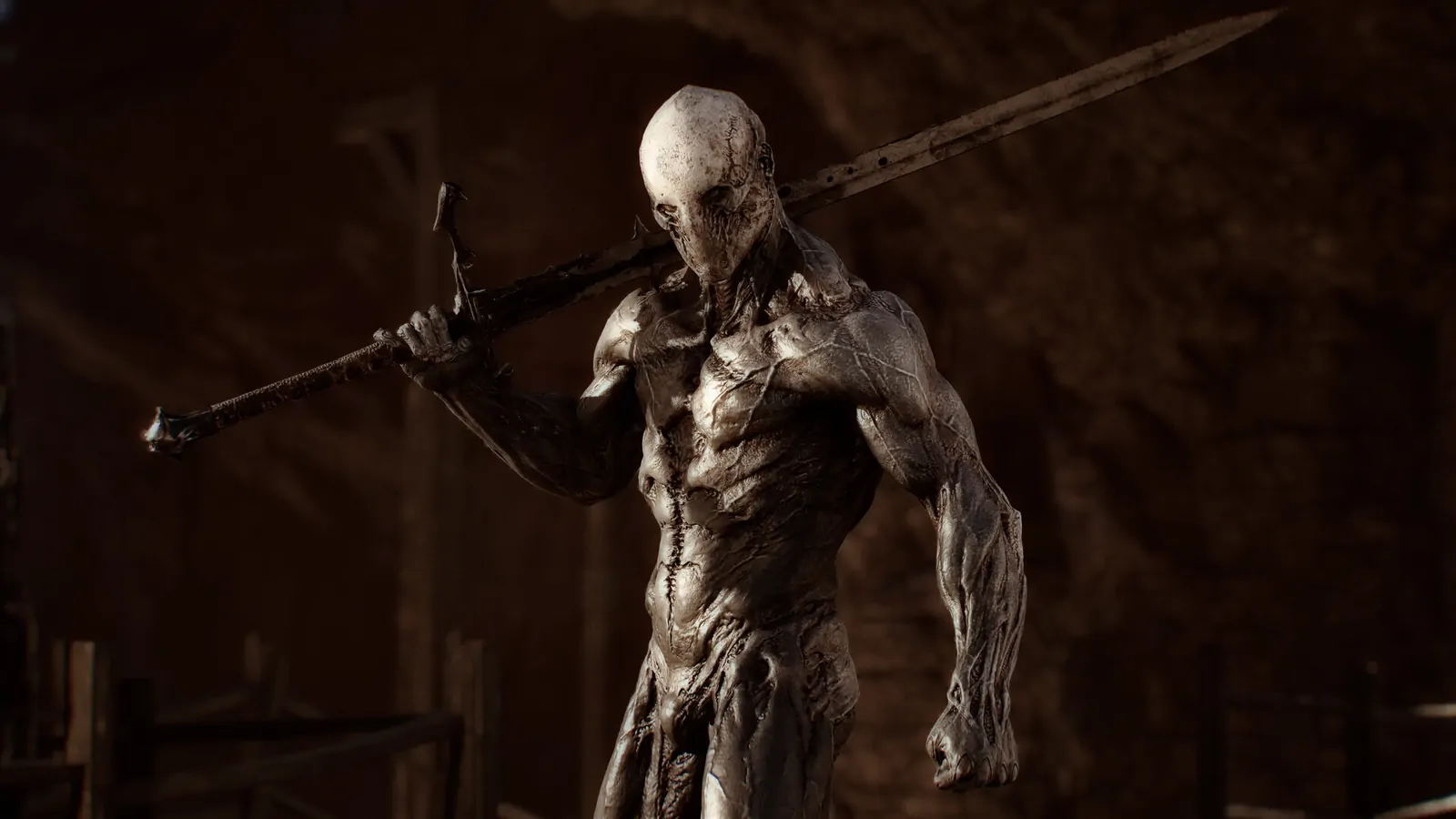
The best weapon for your present Mortal Shell II encounter is one whose reach, recovery and ability fit the opening you can use. Published patch changes help identify weapons to revisit, but a percentage buff is not a damage ranking. Without a common baseline, attack speed, upgrade level and target, a larger buff cannot establish the highest damage per second.
This guide compares specific changes from Balance Patch 1 and the Week 1 Update, then explains how to choose between the weapons already in your inventory. These are historical changes, not a claim that August’s notes are the latest patch. Check your installed build before comparing them with newer player demonstrations.
Weapon changes worth knowing
| Weapon or group | Documented change | How to use the information |
|---|---|---|
| Troubador’s Lute | Balance Patch 1 increased attack damage by 100% | Reconsider an old launch impression; the percentage alone does not establish its absolute damage |
| Great Martyr’s Blade | A 20% increase was announced in Balance Patch 1; Week 1 says that change had not applied and supplies a larger adjustment without a percentage | Do not multiply the two announcements as if both buffs shipped |
| Obsidian Hammer | Week 1 included a balance pass and increased its hitting power | Recheck a heavy punish window on the installed build |
| Axatana | Improved light-attack tracking; Week 1 changed its ability to grant invulnerability frames and inflict Fragile stacks | Inspect the ability and practise its activation rather than assuming an old demonstration still applies |
| Salvaged Trebuchaxe | Its Tarred Fragment was redesigned in Week 1 | A build depending on the launch Fragment needs a fresh comparison |
| Weltcap | Week 1 strengthened active and passive forms | Read the current effect rather than treating the patch phrase as a full moveset description |
| Caged Hystrix and Triarch Repeater | Balance Patch 1 removed minimum Resolve requirements to fire | Distinguish that threshold from the complete current cost and resource rules |
| Black Needle and Clockwork Scythe | Balance Patch 1 improved light-attack tracking | Test whether a moving target still escapes your usual opening |
| Heavy weapons | Week 1 adjusted poise and damage | Compare the individual weapon rather than assuming every heavy weapon changed identically |
The table is a patch index, not a complete arsenal count. Achievement unlock entries do not necessarily enumerate every weapon or every Sidearm. An item without a dedicated unlock achievement can still exist, and an achievement called “unlock all Weapons” should not be reinterpreted from a count of individual achievement rows.
Choosing a first comparison
Take two weapons you can currently equip. Begin with the one whose ordinary attack recovers in time for the enemy’s next swing. Compare a single light attack before adding a charged attack, Fragment or ability. This gives you a usable fallback when an ability is unavailable or an enemy does not react as expected.
Reach can matter as much as damage in a narrow opening. If a weapon misses unless you move farther into a boss’s follow-up, its nominal damage is not the whole comparison. Conversely, a longer weapon is not automatically safer in a tight room where the camera and walls hide the next attack. Use the arena and enemy you are trying to clear rather than one universal “best” label.
The Axatana is worth inspecting if you want the ability behaviour described in Week 1. Its published invulnerability change is a concrete feature, but the note does not give a universal frame count or say that it defeats every grab and environmental hazard. Test the activation on a predictable attack. Treat the named Fragile stacks separately from Fragile Tarstones; a shared word does not establish that the two systems have identical rules.
The Great Martyr’s Blade and Obsidian Hammer are reasonable candidates when you have a long punish window and want to revisit a heavy weapon after the August changes. The notes do not establish a fixed stagger threshold for every boss. Start with one punish, release the input and check recovery before trying a chain.
Tarforge upgrades and switching weapons
Balance Patch 1 reduced Tarforge smelting’s Gloom cost by 75%. This is a reduction to that documented cost, not a blanket discount on every item or upgrade. Check the current Tarforge screen, the material requirement and the weapon selected before committing. An old screenshot can show a different cost or a different stage of progression.
If your goal is to compare weapons, first work out whether their upgrade levels are comparable. An upgraded weapon defeating an unupgraded one does not settle which moveset suits your build. If you cannot afford matching upgrades, compare reach and recovery first and postpone a numerical damage conclusion.
The Week 1 Update made Glimpses and Tarcores renewable, permitting more upgrades in one playthrough than the original finite economy allowed. This reduces the long-term cost of experimenting but does not place the required materials in your inventory immediately. Keep enough resources for the next essential upgrade before making several speculative changes at once.
Fragments, Tarstones and Seals
A weapon’s ordinary attacks, its Fragment interaction and the Tarstones supporting the build are separate parts of the comparison. When a guide recommends a complete setup, check which part supplies the claimed effect. Swapping only the weapon may not reproduce a result that depended on a particular Fragment or Tarstone active.
The Salvaged Trebuchaxe is an important historical example: Week 1 redesigned its Tarred Fragment. A launch build demonstrating that Fragment is evidence about the earlier version. It cannot establish the current interaction by itself. Similarly, check any Seal or ability description directly in the installed build before carrying a resource assumption into a long dungeon.
For a reset of the Tarstone side of a build, use the Rotten Autumn reset guide. For refunds on a Shell bond, use Shell selection and respec. Those workflows should not be substituted for one another.
Sidearms and ranged attacks
The official store identifies sidearms as part of the combat system. Balance Patch 1 specifically says Caged Hystrix and Triarch Repeater no longer require a minimum Resolve amount to fire. That statement concerns the firing threshold; it does not establish unlimited ammunition, zero cost or the exact resource rule for every other ranged item.
Week 1 also addressed sidearm projectiles failing to register on weak points and selecting an unintended target. If you compare a ranged option, use a clear line of sight and note the selected target. A miss can still result from distance, obstruction or aim; the existence of a historical bug does not diagnose every current failure.
Ripostes are a separate measurement
The Week 1 Update changed player riposte damage to scale with enemy health and adjusted invulnerability and recovery behaviour. Keep riposte damage separate from ordinary weapon hits when judging a weapon. Otherwise, a run with more successful parries may look like a better weapon test even though you changed the proportion of riposte damage.
The patch wording does not prove that every other damage factor is irrelevant or that ripostes always outperform a weapon ability. Choose the attack you can use reliably against the actual enemy. The combat guide explains the defensive loop, while the boss preparation guide turns it into an arena plan.
A useful five-step comparison
- Confirm the game build and hold Shell, Tarstones, difficulty and target constant.
- Compare one ordinary light attack and one realistic punish window.
- Add the weapon ability separately, watching its activation and recovery.
- Compare resource use over several safe exchanges, not just a single spectacular hit.
- Keep the weapon that lets you repeat the successful sequence with a margin for the enemy’s next attack.
A community test can provide information beyond official notes when it identifies its build and method. Treat it as that player’s measurement rather than dismissing it because the developer did not publish the number. For a decision today, combine the current in-game description with a controlled comparison and the specific patch history above.